Introduction to Japanese Philosophy
Japanese philosophy developed through a long history of intellectual exchange, adaptation, and transformation. Rather than emerging as an isolated tradition, philosophical thought in Japan was shaped by encounters with Chinese and Korean cultures, Indian Buddhist traditions, and, in the modern period, European and American philosophy. Ideas arriving from abroad were not simply copied unchanged. They were interpreted within new social, religious, linguistic, and cultural settings, producing philosophical traditions with distinctive Japanese forms and concerns.
The earliest intellectual world of Japan cannot easily be separated into the modern categories of philosophy, religion, mythology, and literature. Traditions concerning kami, nature, ancestry, ritual, purity, and communal life expressed fundamental ways of understanding the relationship between human beings and the world. Later traditions associated with Shinto developed alongside Buddhism and Confucianism, creating an intellectual environment in which several different accounts of reality, ethics, and human existence could coexist and interact.
The arrival of Buddhism transformed Japanese intellectual history. Buddhist ideas concerning impermanence, suffering, karma, enlightenment, emptiness, and liberation introduced philosophical traditions whose origins extended from India through China and Korea. Over time, Japanese thinkers such as Saichō, Kūkai, Hōnen, Shinran, Dōgen, and Nichiren developed influential interpretations of Buddhist thought. Their work explored questions about language, consciousness, practice, reality, death, awakening, and the possibility of liberation.
Japanese philosophy also underwent major transformations during the Edo and modern periods. Neo-Confucian thinkers, scholars of Kokugaku, and other intellectual movements debated ethics, human nature, language, political order, and cultural tradition. After the nineteenth-century encounter with modern Western philosophy, Japanese thinkers began engaging systematically with concepts drawn from German idealism, phenomenology, existentialism, pragmatism, and other traditions. Figures such as Nishida Kitarō and the Kyoto School attempted to create original philosophical systems through a critical encounter between East Asian intellectual traditions and modern Western thought.
This page follows that long development: from the early Japanese world of kami, ritual, and nature to the arrival of Buddhism and Confucianism; from the great Buddhist traditions of the classical and medieval periods to Zen and the philosophy of Dōgen; from Edo-period debates about ethics, language, and tradition to the modernization of Japanese philosophy; and finally to the Kyoto School and its influential explorations of experience, culture, religion, and nothingness. Together, these traditions reveal philosophy in Japan as a continuing process of dialogue between inherited worlds of thought and new intellectual possibilities.
Japanese Philosophy Timeline at a Glance
Early Japanese traditions develop around kami, ritual, ancestry, nature, community, and relationships between the human and sacred worlds
Buddhism and Confucian ideas enter Japan through the wider networks of East Asian cultural exchange
Nara Buddhist traditions flourish, followed by the establishment of Tendai and Shingon Buddhism by Saichō and Kūkai
New Buddhist movements develop, including Pure Land traditions, Zen, and the teachings associated with Nichiren
Edo-period intellectual life produces major debates in Neo-Confucianism, Kokugaku, ethics, language, education, and political order
Japanese philosophers engage systematically with Western philosophy, leading to the emergence of modern Japanese philosophy and the Kyoto School
🏯 The Formation of the Japanese Philosophical World
The Japanese archipelago developed its intellectual traditions within a larger East Asian world rather than in complete isolation. For centuries, Japan maintained important cultural relationships with the Korean peninsula and China, while Buddhism connected Japanese thinkers indirectly with the philosophical traditions of India. Writing systems, political institutions, religious texts, artistic forms, and systems of learning entered Japan through these networks of exchange. Japanese intellectual history therefore cannot be understood simply as the story of an isolated national tradition.
At the same time, ideas received from abroad were repeatedly adapted to Japanese circumstances. Buddhism, for example, arrived through traditions already transformed in China and Korea before developing further in Japan. Confucian ethical and political thought likewise entered a society with its own institutions, social structures, and religious practices. Japanese thinkers therefore often worked through processes of interpretation rather than simple acceptance, asking how inherited concepts could be understood within new cultural and historical conditions.
The modern category of "Japanese philosophy" must also be used carefully. For much of Japanese history, thinkers did not necessarily distinguish philosophy from religion, ethics, politics, literature, aesthetics, or spiritual practice in the way modern universities often do. Buddhist monks could be philosophers, religious teachers, poets, and institutional leaders at the same time. Confucian scholars discussed moral cultivation alongside political administration, while aesthetic practices raised questions about perception, experience, nature, and the meaning of human existence.
A major transformation occurred during the modern period, when the Western academic category of philosophy was introduced and the Japanese term tetsugaku became associated with the systematic study of philosophy. Yet modern Japanese philosophers did not simply abandon older traditions. Many attempted to place Buddhist, Confucian, aesthetic, and other East Asian forms of thought into dialogue with modern philosophy. This continuing encounter between traditions became one of the defining characteristics of Japanese philosophical history.
Shinto, Kami and Early Japanese Thought
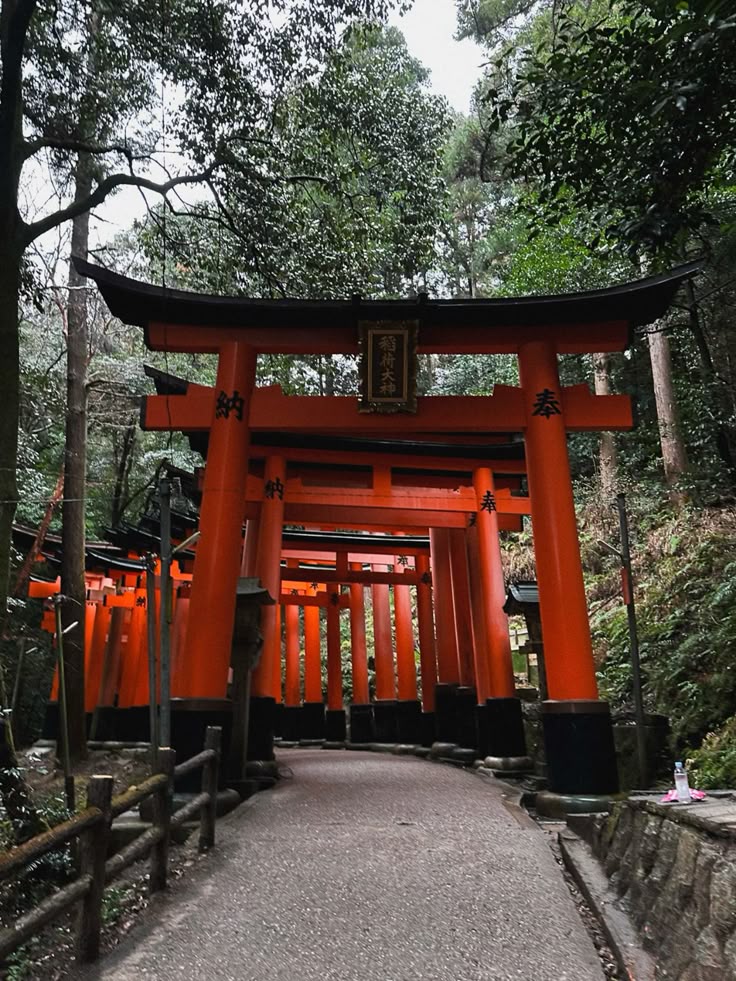
Before the arrival of Buddhism and the development of formal systems of learning, the peoples of the Japanese archipelago already possessed complex traditions for understanding the human relationship with nature and the sacred. Later Japanese sources describe a world inhabited by kami, a term that cannot be translated simply as "gods." Kami could be associated with natural forces, places, ancestors, extraordinary beings, and other forms of sacred presence. These traditions encouraged ways of thinking in which human beings existed within, rather than entirely apart from, a larger living and sacred environment.
Early Japanese thought was strongly expressed through ritual, story, poetry, and communal practice. Texts such as the Kojiki and Nihon Shoki, compiled in the early eighth century, preserve myths and genealogies that became important to later understandings of the origins of the world, the Japanese islands, and political authority. These works should not simply be treated as philosophical treatises, but they contain ideas about order, origin, relationship, mortality, and humanity's place within a world larger than individual human control.
One important feature of these traditions is the difficulty of separating nature from culture and religion from ordinary life. Mountains, forests, rivers, agricultural cycles, and particular places could possess sacred significance. Human flourishing depended upon maintaining relationships within families, communities, and the wider natural world. Later philosophical and religious traditions would develop much more systematic theories, but this early emphasis on relationship and place remained an important background for Japanese ways of understanding human existence.
It is therefore misleading to describe early Japanese thought either as "primitive philosophy" or as a complete philosophical system comparable to later Buddhist or modern academic traditions. Its importance lies in the conceptual world it provided. Questions concerning nature, sacredness, purity, community, ancestry, and the relationship between human beings and their environment continued to interact with Buddhist, Confucian, and modern philosophical ideas throughout Japanese history.
Japanese Buddhism and Confucianism Enter the East Asian Intellectual World
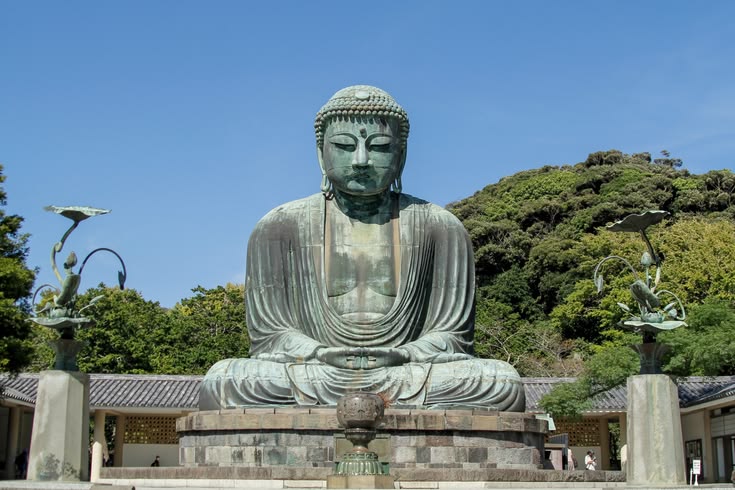
The introduction of Buddhism was one of the decisive events in Japanese intellectual history. Buddhism entered Japan during the sixth century through contacts with the Korean peninsula, bringing scriptures, images, rituals, institutions, and philosophical ideas that had traveled across Asia for centuries. Its arrival did not immediately replace existing traditions. Instead, Japanese society gradually developed new relationships between Buddhist teachings, indigenous practices, political authority, and the institutions of the developing state.
Buddhist philosophy introduced a radically expanded vocabulary for thinking about existence. Concepts such as impermanence, suffering, karma, rebirth, enlightenment, emptiness, and dependent origination encouraged reflection on the instability of ordinary human experience. The Buddhist analysis of the self was particularly important: rather than assuming an eternal and independent individual essence, many Buddhist traditions investigated the changing processes through which the experience of personhood is produced.
Confucian ideas also became important within Japan through the transmission of Chinese texts and institutions. Confucian thought emphasized ethical cultivation, learning, family relationships, political responsibility, and the formation of social order. Its philosophical questions differed in emphasis from those of Buddhist traditions. Rather than focusing primarily on liberation from the cycle of suffering, Confucian thinkers often asked how human beings could cultivate virtue and contribute to a harmonious and well-ordered society.
The coexistence of these traditions created a complex intellectual environment. Buddhism offered theories about consciousness, suffering, and awakening; Confucianism developed accounts of ethics, education, and social responsibility; and traditions associated with kami continued to shape ritual and cultural life. Japanese philosophy would develop through the interaction of these perspectives rather than through the dominance of a single intellectual system.
Kūkai, Shingon Buddhism, Language and Enlightenment
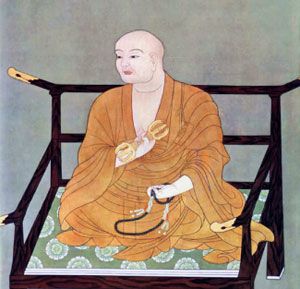
During the late eighth and early ninth centuries, Japanese Buddhist thought entered a new period of development. Saichō founded the Tendai tradition on Mount Hiei, while Kūkai established the foundations of Shingon Buddhism. Both traditions drew upon forms of Buddhism that had developed in China, yet they became major and distinctive institutions within Japanese intellectual history. Their influence extended far beyond narrowly religious questions, shaping later debates about enlightenment, language, ritual, and the nature of reality.
Kūkai was especially important for the philosophical sophistication of his thought. His writings explored the relationship between language, symbols, consciousness, and enlightenment. In his account of Buddhist practice, awakening was not understood merely as the acceptance of an abstract theory. Sound, speech, writing, bodily action, ritual, and meditation could all participate in the transformation of human awareness. This gave language and symbolic activity a philosophical importance that extended beyond the simple communication of already completed ideas.
Shingon thought also developed a distinctive account of the relationship between the ordinary world and enlightenment. Rather than treating ultimate reality as something located completely outside lived experience, esoteric Buddhist practice explored how enlightenment could be expressed through body, speech, and mind. Ritual therefore possessed an intellectual as well as religious significance: practice could transform the way reality itself was experienced and understood.
Tendai Buddhism likewise became enormously influential because of its broad and inclusive approach to Buddhist teachings. Japanese Buddhist thinkers inherited an enormous diversity of scriptures and philosophical traditions, often containing apparently different accounts of the path to awakening. The challenge was therefore interpretive as well as religious: how could these teachings be organized, compared, and understood as parts of a larger intellectual whole?
These traditions established foundations for much of later Japanese Buddhist philosophy. Medieval movements including Pure Land, Zen, and Nichiren Buddhism emerged partly through debates about which teachings and practices were most appropriate for human beings in their historical circumstances. The philosophical history of Japanese Buddhism was therefore not simply a repetition of inherited doctrine, but an ongoing argument about practice, knowledge, language, reality, and the possibility of enlightenment.
Dōgen, Zen Buddhism and the Philosophy of Practice
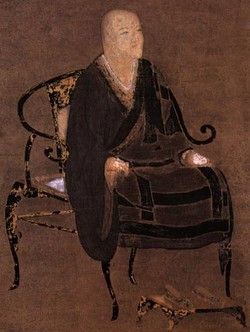
Zen Buddhism became one of the most internationally recognized Japanese intellectual traditions, although it represents only one part of the wider history of Japanese philosophy. Zen emphasized direct practice, meditation, discipline, and awakening, while also questioning the limits of purely conceptual understanding. Its development in Japan was connected with Chinese Chan Buddhism, but Japanese Zen traditions eventually developed distinctive institutions, practices, and philosophical expressions.
Dōgen, the founder of the Japanese Sōtō Zen tradition, became one of the most important philosophers of medieval Japan. His major collection of writings, the Shōbōgenzō, explores a remarkable range of questions concerning being, time, practice, language, nature, and enlightenment. Dōgen rejected the idea that philosophical understanding and religious practice could be completely separated. For him, the transformation of human existence required practice rather than the mere possession of theoretical knowledge.
One of Dōgen's most influential ideas concerns the relationship between practice and enlightenment. It is tempting to imagine enlightenment as a distant goal achieved only after a long process of practice. Dōgen complicated this simple division by arguing that authentic practice is not merely a means toward awakening but an expression of awakening itself. Meditation therefore becomes philosophically significant as a way of questioning the ordinary distinction between the path and its destination.
Dōgen also developed profound reflections on time and existence. Human beings often experience time as something that passes independently of themselves, dividing life into past, present, and future. Dōgen's writings challenged overly simple accounts of this relationship, exploring the idea that existence and temporality cannot be understood as entirely separate. Every being exists in time, yet time is not merely an external container in which things happen.
Zen philosophy also raised difficult questions about language. If awakening cannot be reduced to a concept, what role can words and philosophical texts play? Zen traditions sometimes criticized attachment to language and doctrine, but they also produced enormous bodies of literature and highly sophisticated philosophical reflection. The resulting tension became productive rather than simply contradictory: language may be limited, yet the recognition of those limits can itself become part of philosophical inquiry.
Pure Land Buddhism, Shinran, Nichiren and Human Limitation
Medieval Japanese Buddhism was far more diverse than the history of Zen alone suggests. During the twelfth and thirteenth centuries, new movements developed in response to major social and religious changes. Many thinkers questioned whether the demanding forms of monastic practice inherited from earlier Buddhist institutions were equally accessible to all human beings. The problem was therefore philosophical as well as religious: if human beings are deeply limited by ignorance, desire, and historical conditions, what kind of path to liberation can genuinely be available to them?
Hōnen became one of the most influential figures in the development of Japanese Pure Land Buddhism. Drawing upon traditions centered on Amitābha, or Amida Buddha, he emphasized the practice of calling upon Amida as a path open beyond the narrow boundaries of elite monastic learning. His teaching challenged assumptions about religious authority by placing extraordinary importance on a practice that could be undertaken by ordinary people living within the difficulties of everyday life.
Shinran developed Pure Land thought in an even more radical direction. He emphasized the limitations of human self-power and the importance of other-power, the liberating activity associated with Amida Buddha. This perspective raised profound questions about the nature of agency and achievement. If the human ego is itself shaped by ignorance and attachment, can liberation simply be understood as something produced through individual effort? Shinran's thought therefore challenged simple oppositions between action and dependence, discipline and grace, or religious practice and ordinary life.
Nichiren developed another powerful response to the Buddhist diversity of medieval Japan. He argued for the supreme importance of the Lotus Sūtra and understood the correct teaching as having urgent consequences for both individual and collective life. His philosophy joined questions of salvation with questions about society, history, and political responsibility. Religious truth, in this view, was not merely a private matter but something connected with the condition and future of the wider community.
Together, Pure Land and Nichiren traditions demonstrate the diversity of Japanese philosophical and religious thought. They explored questions that continue to possess philosophical force: How much control does an individual possess over transformation? What does it mean to acknowledge one's own limitations? Can ordinary life itself become a site of awakening? And how should ultimate truth relate to social and political responsibility? Medieval Japanese thought offered several competing answers rather than one unified Buddhist philosophy.
Edo-Period Neo-Confucianism, Kokugaku and Japanese Ethics
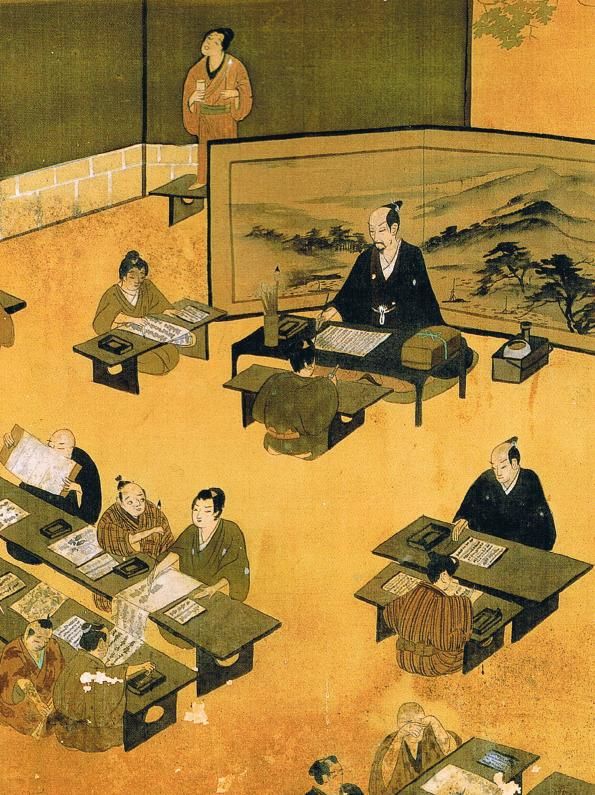
The Edo period, lasting from the early seventeenth century until 1868, produced an unusually rich intellectual environment. Long periods of internal peace allowed scholarship, publishing, education, and debate to expand across different parts of society. Neo-Confucian thought became particularly important in discussions of ethics and political order, but it existed alongside Buddhist scholarship, Shinto thought, classical learning, popular education, and other intellectual traditions. Japanese philosophy during this period cannot therefore be reduced to a single official doctrine.
Neo-Confucian thinkers inherited philosophical traditions that had developed in China, especially those associated with Zhu Xi. They investigated the relationship between principle, material reality, human nature, emotion, moral cultivation, and political order. Education was understood as more than the acquisition of information: it was a process through which the individual could cultivate character and learn to act responsibly within family and society. These questions gave ethics a central position within Edo intellectual life.
Japanese Confucian thinkers also criticized and reinterpreted inherited traditions. Itō Jinsai emphasized a return to earlier Confucian texts and developed influential arguments about human relationships, ethical life, and the meanings of classical concepts. Ogyū Sorai likewise challenged aspects of dominant Neo-Confucian interpretation, placing greater emphasis on historical institutions, language, and the concrete practices through which social order is created. Their disagreements reveal that Japanese Confucianism was an active field of philosophical argument rather than a passive reproduction of Chinese doctrine.
Another important movement was Kokugaku, often translated as National Learning. Scholars associated with this tradition returned to ancient Japanese texts in an effort to understand earlier language, literature, and cultural forms on their own terms. Motoori Norinaga became especially influential through his interpretation of the Kojiki and his reflections on human feeling, language, and the distinctive character of Japanese classical literature. Kokugaku thinkers often criticized what they regarded as excessive dependence on imported Chinese intellectual categories.
The philosophical importance of the Edo period lies partly in these debates about interpretation itself. Can a culture understand its own past through concepts inherited from another civilization? Does moral truth arise from universal principles, historical traditions, or concrete human relationships? How does language shape what human beings are capable of understanding? By the end of the Edo period, Japanese thinkers had created a complex intellectual world whose arguments would continue into the period of rapid modernization that followed.
Meiji Japan, Tetsugaku and Modern Japanese Philosophy
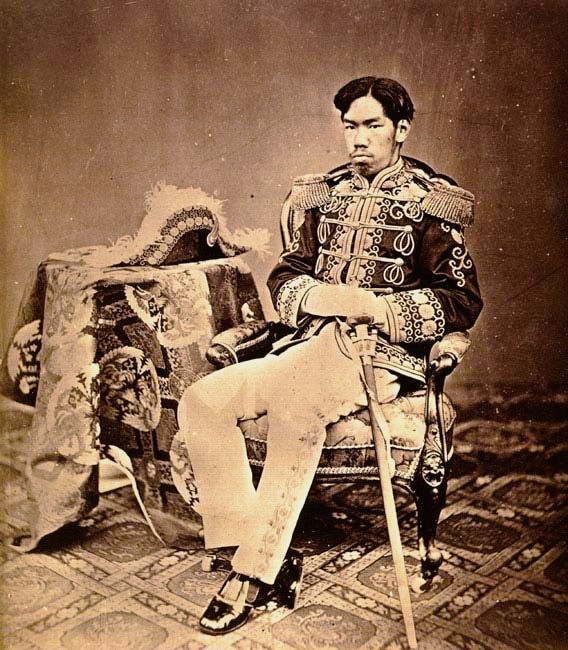
The Meiji Restoration of 1868 transformed Japan's political, educational, and intellectual institutions. Japanese scholars encountered Western philosophy on a scale and with an intensity unlike anything in earlier history. Works associated with British empiricism, German idealism, utilitarianism, positivism, Christianity, and later phenomenology and existentialism entered Japanese intellectual life through translation, education, and direct study abroad. The encounter raised a fundamental question: how could philosophy be translated into a society whose intellectual traditions had developed through very different historical categories?
During this period, the modern Japanese term tetsugaku became established as the translation of "philosophy." The creation and adoption of this vocabulary was itself philosophically significant. Translation does not simply transfer words from one language into another; it can reshape the conceptual boundaries through which a tradition understands itself. The emergence of philosophy as a modern academic discipline therefore encouraged Japanese thinkers to reconsider Buddhism, Confucianism, ethics, religion, aesthetics, and older intellectual traditions in relation to a new global category of philosophical inquiry.
Modern Japanese thinkers did not respond to Western philosophy in a single way. Some concentrated on introducing European concepts into Japanese education, while others attempted to identify distinctive intellectual resources within Japanese and East Asian traditions. The resulting debates concerned individual freedom, scientific knowledge, religion, morality, national identity, modernization, and the relationship between universal philosophical claims and particular cultural histories.
The encounter with Western thought also produced difficult political questions. Modernization occurred alongside the growth of the Japanese nation-state, imperial expansion, and eventually war. Philosophers and intellectuals therefore faced questions that could not be treated as purely abstract: What is the relationship between the individual and the nation? Can philosophy remain independent from political power? Is modernization equivalent to Westernization, or can different intellectual traditions participate equally in the creation of modern thought?
By the early twentieth century, philosophy had become firmly established within Japanese universities, but the most original thinkers increasingly attempted to move beyond simple imitation. They engaged critically with Kant, Hegel, William James, Bergson, Husserl, Heidegger, and other Western philosophers while drawing upon Buddhist and East Asian traditions. Out of this intellectual environment emerged some of the most internationally significant philosophical movements in modern Japan, most famously the Kyoto School.
Nishida Kitarō, Pure Experience and Absolute Nothingness
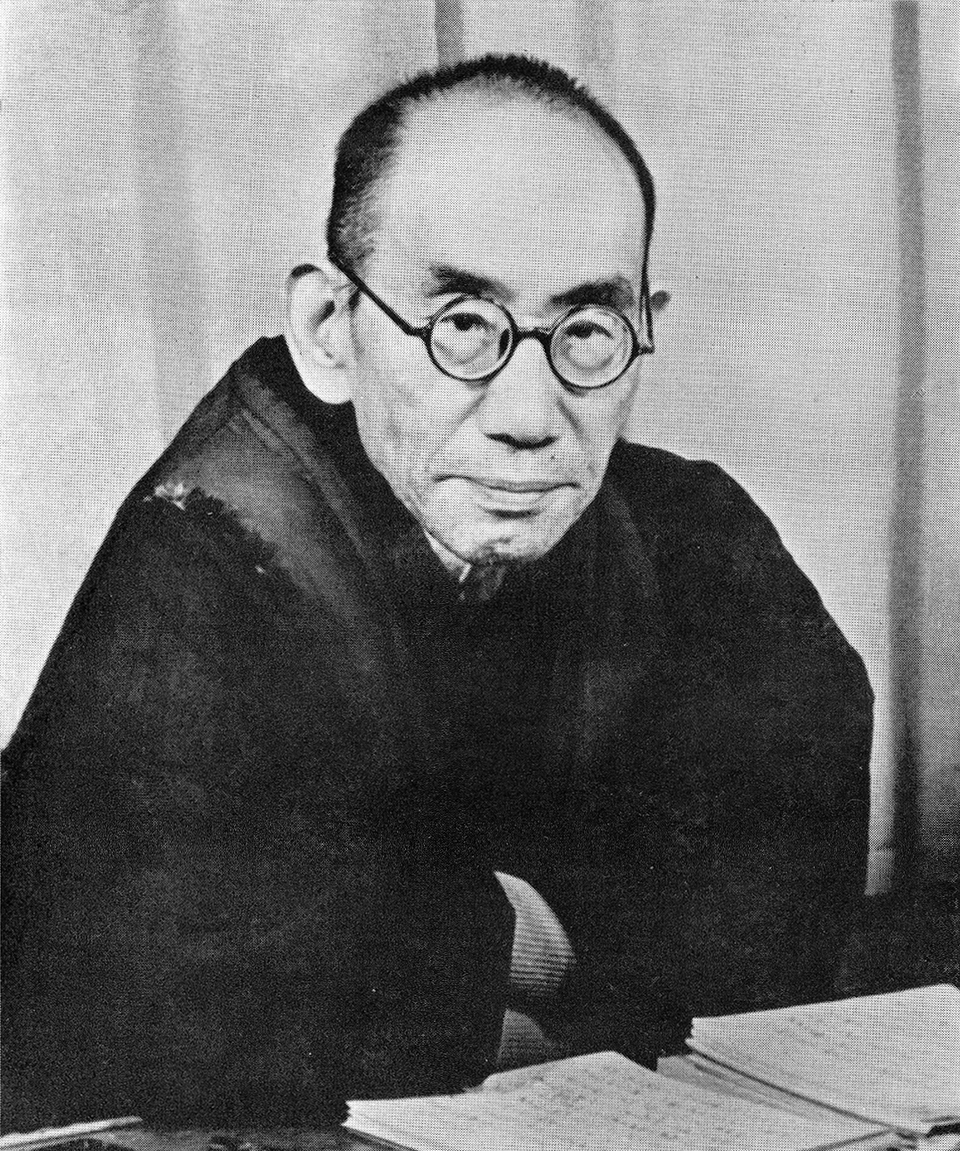
Nishida Kitarō became one of the most important philosophers in the history of modern Japan. Educated during a period of rapid intellectual transformation, he studied major Western philosophical traditions while also engaging deeply with Zen practice and East Asian thought. His work did not simply attempt to combine "Eastern" and "Western" ideas into a single collection. Instead, Nishida sought to develop philosophical concepts capable of addressing fundamental questions about experience, consciousness, logic, the self, and the world.
In his early philosophy, especially in An Inquiry into the Good, Nishida developed the influential idea of pure experience. The concept attempted to describe experience prior to the ordinary division between a knowing subject and an object known by that subject. Nishida's philosophical project was not a rejection of rational thought, but an effort to investigate the experiential conditions from which distinctions between self and world, thought and object, could emerge.
Nishida later developed his philosophy of basho, often translated as "place." This became connected with his exploration of absolute nothingness, a concept that should not be understood simply as empty space or the complete absence of everything. Nishida used it to investigate the conditions within which things, selves, relations, and concepts can appear without treating ultimate reality as merely one more object among other objects. His philosophy therefore challenged simple forms of both individualism and metaphysical substance-thinking.
Thinkers influenced by or associated with Nishida became known as the Kyoto School, although the boundaries of the school remain debated. Important figures included Tanabe Hajime and Nishitani Keiji, along with a wider circle of philosophers who developed different and sometimes critical responses to Nishida's work. Their thought explored themes including absolute nothingness, self-negation, history, culture, religion, science, and the relationship between self and other. The Kyoto School was therefore not a single doctrine but a continuing philosophical conversation.
The Kyoto School also remains historically controversial because some of its members wrote about nation, culture, war, and political order during Japan's imperial period. Scholars continue to debate the relationship between their philosophical concepts and their political writings, making this history an important reminder that philosophy does not exist outside historical circumstances. At the same time, Nishida and other Kyoto School thinkers made lasting contributions to cross-cultural philosophy by challenging the assumption that modern philosophy must develop exclusively within a European intellectual framework.
👤 Major Japanese Philosophers & Thinkers
Japanese philosophy developed through the work of Buddhist teachers, Confucian scholars, Shinto thinkers, Zen masters, and modern philosophers. These figures represent only part of a much broader intellectual tradition, but their ideas became especially influential in the history of Japanese thought.
Prince Shōtoku
574–622Traditionally associated with the early political and intellectual development of Buddhism and Confucian ideas within the Japanese state.
Kūkai
774–835Founder of the Japanese Shingon tradition and a major thinker on language, enlightenment, ritual, and the relationship between mind and reality.
Saichō
767–822Founder of the Japanese Tendai tradition, which became an important center of Buddhist learning and philosophical development.
Hōnen
1133–1212A major Pure Land Buddhist teacher who emphasized devotion to Amida Buddha and opened new questions about salvation and religious practice.
Dōgen
1200–1253Founder of the Japanese Sōtō Zen tradition and one of Japan's greatest philosophical writers, known for reflections on being, time, practice, and enlightenment.
Nishida Kitarō
1870–1945Founder of the Kyoto School and a major modern philosopher whose work attempted to develop philosophical ideas through dialogue with both Japanese traditions and Western philosophy.
Nishitani Keiji
1900–1990A Kyoto School philosopher who explored nihilism, emptiness, religion, and the possibility of overcoming the alienation associated with modern existence.
📚 Key Books of Japanese Philosophy
Shōbōgenzō
Dōgen
Fukan Zazengi
Dōgen
The Awakening of Faith
Influential East Asian Buddhist Tradition
The Ten Oxherding Pictures
Zen Buddhist Tradition
An Inquiry into the Good
Nishida Kitarō
Religion and Nothingness
Nishitani Keiji
The Kojiki
Early Japanese Literary and Mythological Tradition
The Nihon Shoki
Early Japanese Historical Tradition
💡 Major Ideas & Themes in Japanese Philosophy
- ⛩️ Harmony and Relationship — understanding human life through relationships with other people, nature, society, and the sacred
- 🌿 Impermanence — the recognition that all conditioned things change and that human existence is marked by transience
- 🧘 Zen Practice — the pursuit of awakening through disciplined practice rather than intellectual theory alone
- 🌌 Emptiness — the Buddhist exploration of the absence of fixed and independent existence
- ⏳ Being and Time — Dōgen's reflections on existence, temporality, and the inseparability of being from time
- 🏯 Self-Cultivation — the transformation of character through education, discipline, ritual, meditation, and ethical practice
- 🌸 Mono no Aware — sensitivity to the transience and passing beauty of the world
- 🪨 Nothingness — modern Japanese philosophical investigations into the meaning of nothingness and the limits of the individual self
- 🤝 Individual and Community — reflection on the tension and relationship between personal existence and social responsibility
- 🌍 Dialogue Between Traditions — modern efforts to bring Buddhist and Japanese concepts into conversation with Western philosophy
🌍 Influence of Japanese Philosophy on Later Thought
Japanese philosophy developed through a long process of exchange with the wider intellectual traditions of East Asia. Buddhism entered Japan through the Korean peninsula and brought with it centuries of philosophical reflection that had developed in India, Central Asia, China, and Korea. Confucian ideas likewise became important to Japanese political and ethical thought, while indigenous Shinto traditions continued to shape Japanese understandings of nature, community, ritual, and the sacred. Japanese philosophy was therefore never an isolated tradition but part of a larger network of intellectual exchange.
Zen Buddhism became one of Japan's most internationally influential philosophical and religious traditions. The writings of Dōgen, together with later Zen teachers and institutions, developed distinctive approaches to meditation, practice, language, consciousness, and enlightenment. Zen ideas later attracted considerable attention outside Japan, especially during the modern period, although the transmission of Zen to Western audiences often involved reinterpretation and simplification.
Modern Japanese philosophy created new forms of dialogue between Asian and European intellectual traditions. The Kyoto School, particularly through philosophers such as Nishida Kitarō and Nishitani Keiji, engaged with Western thinkers including Kant, Hegel, Nietzsche, and Heidegger while developing philosophical accounts of experience, selfhood, nothingness, and religion. Their work demonstrated that modern philosophy could not be understood solely as a European conversation.
Japanese philosophical traditions continue to influence contemporary discussions of consciousness, environmental thought, aesthetics, religion, ethics, and the philosophy of existence. Concepts associated with Zen, Buddhism, Japanese aesthetics, and the Kyoto School have entered global philosophical conversations, sometimes through careful scholarship and sometimes through popular reinterpretation. Their lasting importance lies not in providing a single "Japanese philosophy," but in preserving a rich plurality of ways of thinking about self, world, nature, impermanence, and meaning.
📊 Japanese Philosophy: Quick Facts
Time Period: From ancient Japanese traditions to contemporary philosophy
Key Region: Japan, within the wider intellectual world of East Asia
Major Traditions: Shinto thought, Buddhist philosophy, Zen, Pure Land Buddhism, Confucian thought, and modern Japanese philosophy
Major Figures: Prince Shōtoku, Kūkai, Saichō, Hōnen, Dōgen, Nishida Kitarō, and Nishitani Keiji
Central Questions: What is the nature of the self? How should one live? What does impermanence reveal about existence? What is enlightenment, and how is it realized?
Major Themes: Impermanence, emptiness, practice, harmony, self-cultivation, nature, aesthetics, being, time, and nothingness
Frequently Asked Questions About Japanese Philosophy
What is Japanese philosophy?
Japanese philosophy is the body of philosophical thought that developed in Japan through the interaction of indigenous traditions concerning kami and nature with Buddhism, Confucianism, and, in the modern period, European and American philosophy.
What is the Kyoto School of philosophy?
The Kyoto School is a modern Japanese philosophical movement centered on Nishida Kitarō, which developed original philosophical concepts, including pure experience and absolute nothingness, through a critical dialogue between Buddhist and East Asian thought and Western philosophy.
Who was Dōgen and what did he teach?
Dōgen was the founder of the Japanese Sōtō Zen tradition and author of the Shōbōgenzō. He argued that authentic Zen practice is not merely a means toward enlightenment but an expression of enlightenment itself, and he developed influential reflections on the relationship between being and time.
What is the difference between Zen and other Buddhist traditions in Japan?
Zen emphasizes direct meditative practice and questions the limits of purely conceptual understanding, whereas traditions like Shingon and Tendai developed more elaborate doctrinal and ritual systems, and Pure Land Buddhism emphasized devotion to Amida Buddha as a path open to ordinary people.
What is Kokugaku or National Learning?
Kokugaku, or National Learning, was an Edo-period intellectual movement in which scholars such as Motoori Norinaga returned to ancient Japanese texts like the Kojiki to understand earlier language and literature on their own terms, often criticizing excessive dependence on imported Chinese concepts.
What did Nishida Kitarō mean by pure experience?
Nishida Kitarō's concept of pure experience, developed in An Inquiry into the Good, describes experience prior to the ordinary division between a knowing subject and an object known by that subject, investigating the conditions from which that distinction emerges.
Meanwhile, Elsewhere in the World
While Japanese philosophy developed through the interaction of indigenous traditions with Buddhism, Confucianism, and other currents from East Asia, the Korean peninsula was also producing its own distinctive intellectual traditions. Korean thinkers engaged deeply with Buddhism and Confucianism while developing important debates about metaphysics, human nature, ethics, education, political order, and spiritual cultivation.